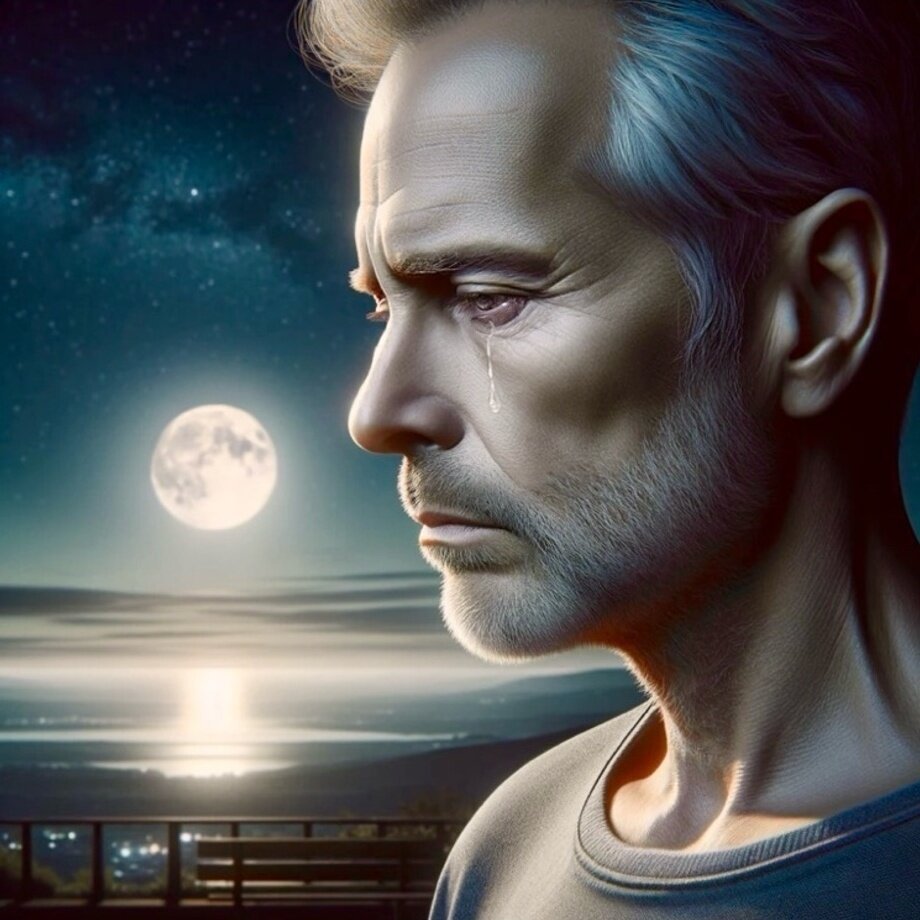
I was at a low point when I wrote this poem. I won't be dramatic about it — everyone goes through low points, and mine was ordinary in its way. But I was in it, and I couldn't quite see out.
So I wrote about light. Not because I had it — because I needed to remember it existed.
Writing toward the light has become one of the more practical things I know how to do when a period feels low and close. I do not mean optimism in the cheap sense. I mean choosing an image or a line that points in the direction of what I need to remember is still possible. Be the Light That Helps Others See came from exactly that kind of directional writing. I was not documenting brightness I already possessed. I was trying to align my attention with brightness so I would not disappear entirely into whatever heaviness was pressing in at the time.
This is also why I say the poem is a dispatch from a direction. If I only write from my current condition, I risk making the page a closed room. But when I write toward a truer horizon, the language becomes a path. It does not deny where I am; it refuses to insist that where I am is the whole map. I tell the writers I mentor that because they often assume they need resolution before they can speak honestly. The opposite is usually closer to the truth. Sometimes honest writing is simply a well-aimed act of orientation.
The candle mattered more than the lighthouse because the poem was not about grandeur. It was about usefulness. A single working flame in a dark room can alter the whole experience of the room. That felt more faithful to the emotional truth I was trying to keep than any larger emblem would have. I wanted an image with labor in it, with light actively doing something instead of posing. A poem should work that way too. It should not only glow. It should help a person see.

Quilt of Life
In a realm where colors blend and sway, A patchwork of dreams at play, In each square, a world unseen, Stories told in hues of green.
Coming soon — included in Echoes From the HeartI think that is part of why this entry still matters to me. It keeps record of a low point without letting the low point have the final word. The poem did not solve anything instantly, but it changed the direction I was facing while I lived through it. Sometimes that is the only mercy available, and it is more substantial than people give it credit for. Turn toward the light. Write in that direction until you can actually feel some warmth from it. The page can help carry you there.
I have watched that principle help other writers too. When they stop demanding that the poem certify their current condition and instead let it point toward what they need, the work opens. Not artificially. Faithfully. That is why I trust directional writing so much. It does not deny darkness; it refuses to grant darkness total authority.
This is something I tell the writers I mentor: you don't write from where you are. You write toward where you're trying to get. The poem is not a report on your current condition — it's a dispatch from a direction. The act of writing it is the beginning of the journey.
If you're in the dark: write toward the light. You don't have to feel it yet. Just face it. The poem will help.
Yours, in ink and embers,