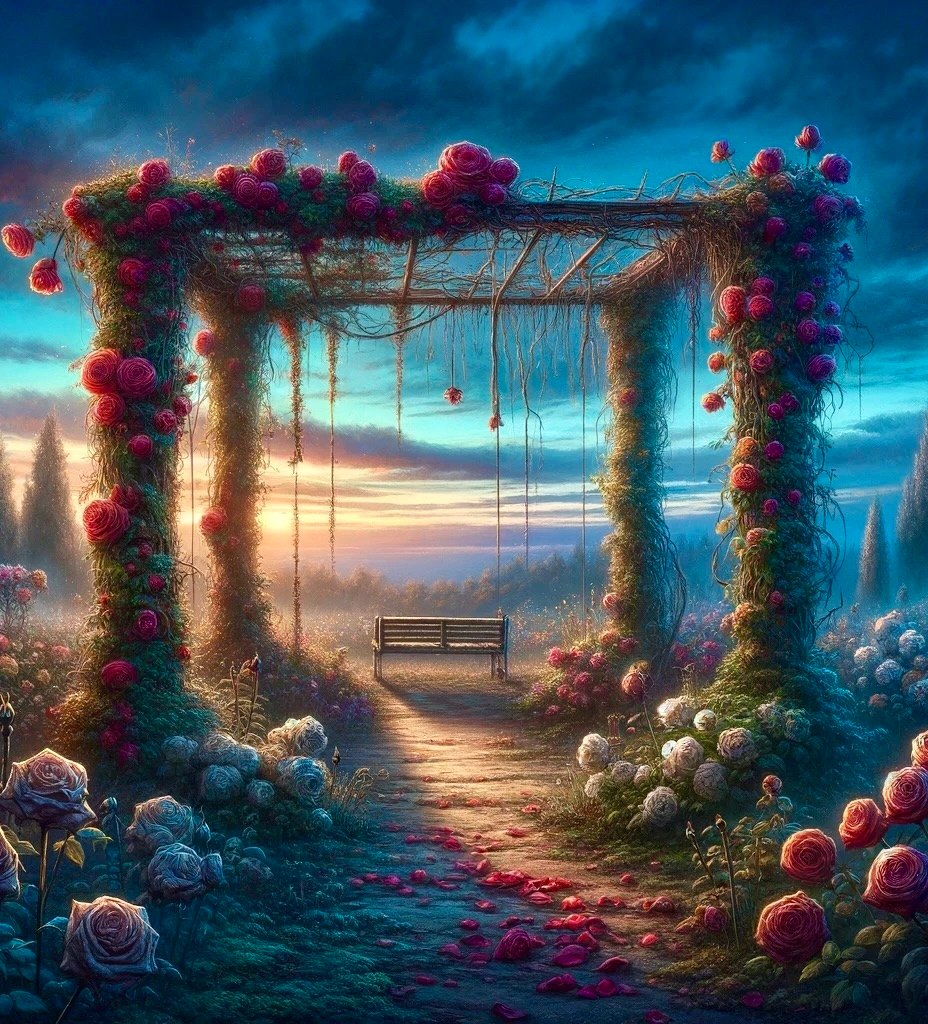
People assume the image gets chosen first. It almost never does. With My Love Had a Name the poem was finished and circling a publication date when I realized I still had not decided what was going to sit beside it on the page.
I went through the obvious wrong answers first. A wedding ring on a sheet of paper. A handwritten letter in a desk drawer. Two coffee cups on a table at dawn. Each of those would have been technically correct in the way a song that uses the word "love" thirty times is technically correct. The poem is not about that kind of love. The poem is about the version of love that already happened — that you carry around now, more steadily than you used to, and that is no longer asking anything of you.
What I wanted, in the image, was a sense of residue. Not absence in the dramatic sense. The quiet sense. The sense of someone who is still part of how you move through your day even though the day has been entirely yours for a long time now.
I tried four photographs before I found the one. The first was too literal. The second was too pretty. The third was almost right but too symmetrical, which is a sin in love poetry — the actual feeling is never symmetrical and a symmetrical image will always lie about it. The fourth was the one. A photograph held in a hand, slightly creased, slightly faded, kept long enough to have a small geography of its own. The viewer cannot see who is in the photograph. That part is correct. Only the carrier knows.
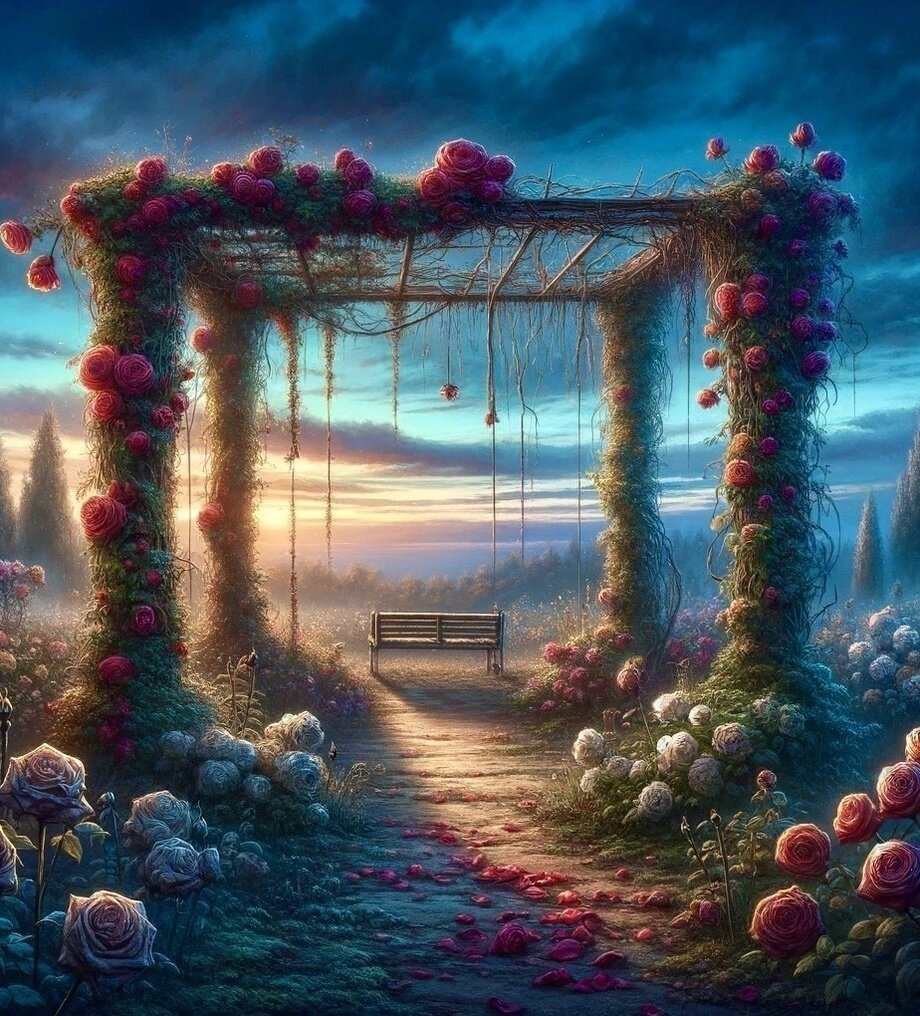
My Love Had a Name
In whispered hues of dawn's embrace, A tale unfolds in time's own space, Where heartbeats echoed a silent name, In love's vast sky, a burning flame.
Coming soon — included in Where the Missing Things GoI want to say something about the line from the poem that decided it. The line that is now in the middle of the second stanza — the one about a name still doing quiet work in the body even after the conversation has stopped. When I read that line in the final draft I knew the image had to be a thing held, not a thing displayed. A photograph in a frame would have been about presentation. A photograph in a hand is about practice. The poem is about practice. So the image is too.
I should also confess: the original choice was different. I had come close, for about a week, to pairing the poem with an image of an empty chair at a window. It would have been a good image for a different poem. It was a wrong image for this one. The chair is an image about waiting. My Love Had a Name is not about waiting. It is about the named love that already shaped me, and that I do not need to keep watching the door for, because it has already, in the quietest possible way, walked through.
The hand-held photograph was the small honesty the poem deserved. It also fights the urge to perform. That is the other test I run on every image: would this picture survive being taken seriously? A surprising number of contender images do not. The ones that do tend to be the ones that look, at first glance, like they almost aren't an image — like you walked into the room a moment too late, and what you see is whatever was there before you arrived.
That is the kind of image I want next to a poem. Something that suggests the poem already lived in someone's life before the poem got written down. My Love Had a Name earned that. I am glad I waited until I found it.
Yours, in ink and embers,