The heat is announcing itself before it arrives. The mornings are still cool enough to sit outside with coffee while the sun is working its way up the back of the mountains, and I have been taking advantage of them. Field notes from this stretch of the year are different from winter ones — less interior, more observational. I notice the external world more when it is doing something I cannot ignore.
I've been watching the same corner of the yard every morning. The trees are fully leafed out now, and the light through them in the early hours is green and trembling. A roadrunner appeared twice this week — unhurried, methodical, working the perimeter of the fence with what I can only describe as professional focus. I wrote a draft about it. It may or may not survive into something keepable.
I think field notes matter because they keep me from forcing everything immediately into meaning. Observation has its own dignity. The trees, the roadrunner, the changing light over one ordinary corner of the yard—those things do not need me to convert them into thesis the instant I notice them. Late May is a good teacher of that because the season is still in transition. It has not hardened into summer's certainty yet. The world is still flickering at the edges, and field notes are one way of honoring the flicker instead of flattening it too fast.
The roadrunner in particular stayed with me because it moved with such practical intelligence. Not dramatic, not mystical, just exact. That is part of what I want my own observational writing to do. Move with purpose. Touch the perimeter. See what is actually there before deciding what larger story it belongs to. A good field note is humble in that way. It knows the world does not exist to confirm the writer's mood. It allows the world to arrive with its own mood and then sees what the encounter produces.
Late May in Santa Fe often feels like that threshold between noticing and knowing. Heat is coming. The sweetness of the early mornings will not hold forever. The field notes catch what is still in motion before the season becomes more declarative. That is why I keep them. They preserve the exactness of transition, and transition is where so much of the real writing actually begins.

Everything Has Beauty
In life's vast puzzle, every piece unique, Bestowed with gifts, both strong and meek, A world abounds in splendor, a variegated streak, Yet its beauty's secret, we must seek.
Coming soon — included in Ink and EmbersThere is discipline in that kind of modest attention. Not everything I observe needs to become an essay or a poem immediately, but everything observed alters the mind that will later write. That is reason enough to keep the notes. Late May has always rewarded the writers who know how to look before they hurry to interpret.
The field notes also protect me from forcing coherence where there is only movement. A roadrunner, the full canopy of trees, a patch of light, a morning with no conclusion yet—those details deserve to exist in their own register first. Often the later poem is better precisely because the earlier note did not try to become one too soon.
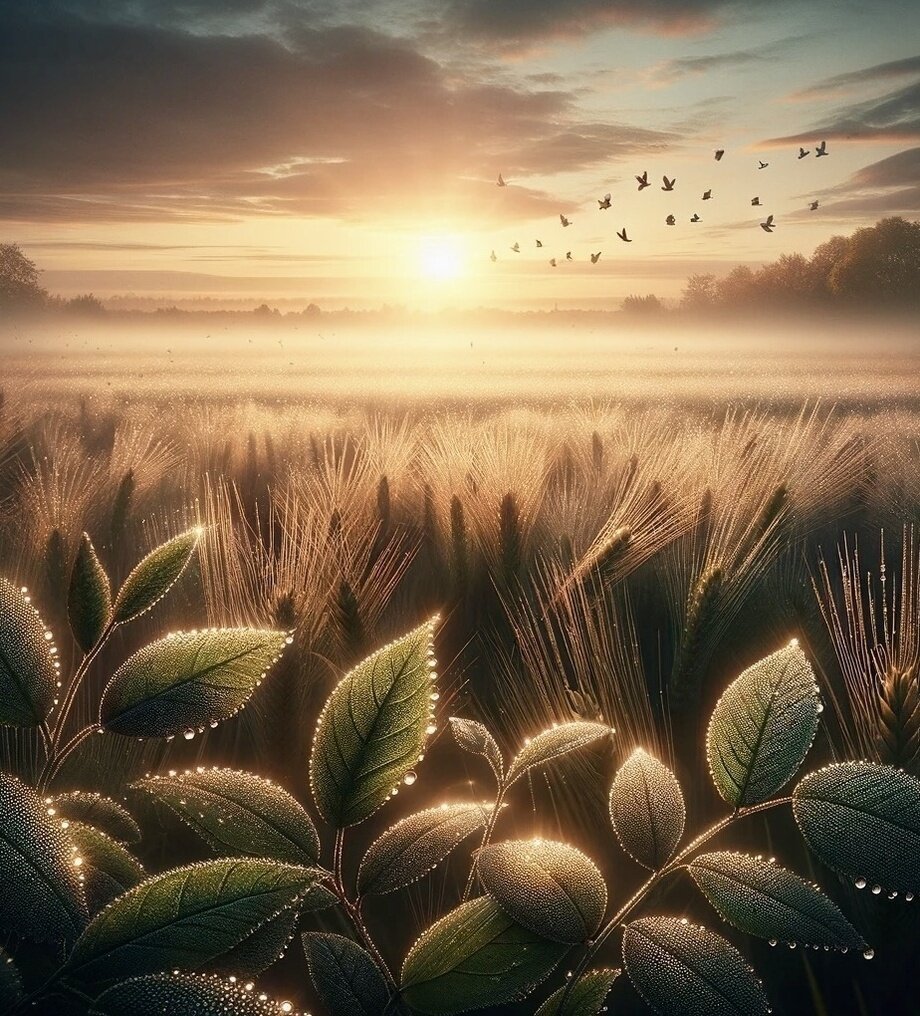
Everything Has Beauty belongs here because late-May field notes are built from ordinary splendor noticed carefully: green light through cottonwood leaves, a roadrunner on the fence line, and the discipline of letting beauty stay specific instead of forcing it into thesis too quickly.
Field notes are not finished writing. They are evidence of attention. Late May produces a lot of evidence, and I am grateful for every unpolished line of it.
Yours, in ink and embers,