I have a scar on my left hand from a fishing hook, age nine. I have a different kind of scar from a conversation in my thirties that I will not detail here but that reshaped everything. I used to treat both kinds the same way — embarrassing evidence of poor judgment. I have since reconsidered.
Scars are not what happened to you. They are proof you survived what happened to you. That is a meaningful distinction, and it took me most of my adult life to understand it.
October makes scars easier to think about because autumn is an honest season. Nothing is trying especially hard to look untouched. Leaves brown, light lowers, bark shows its history more plainly, and even the air carries the sense that endurance is part of beauty rather than evidence against it. I think that is why the subject came back to me then. Scars are easiest to misread in bright fast seasons. In October they have context.
For years I treated old marks as if they were embarrassing annotations in the margins of my life. The fishing-hook scar on my hand was easy enough to laugh about. The other kinds were harder, especially the ones that came from conversations, betrayals, or seasons where I did not yet know how to protect myself properly. Those I tried to carry invisibly, like contraband. The problem with that strategy is that invisible weight is still weight. You still organize around it. You still adjust how you move through rooms. You still let it influence what you expect from other people.
What changed for me was realizing that scars are not the same thing as open wounds and they are certainly not the same thing as shame. A scar is healed history. It is the body's way of saying something happened here and I am still here too. That is a far more dignified sentence than the one I used to tell myself. It is also truer. The people I trust most now are the ones who understand the difference. They do not ask me to pretend I arrived unmarked. They understand that marked is often how people become precise, compassionate, and worth listening to.
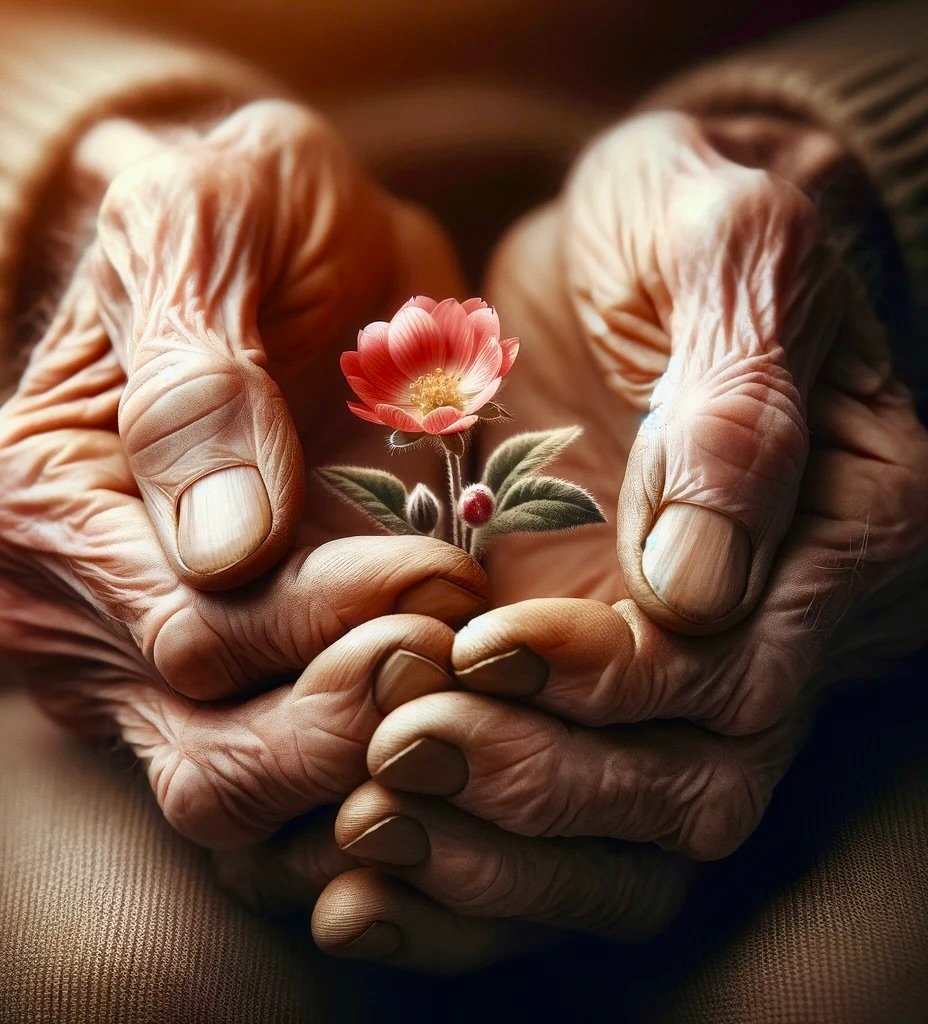
We Are the Scars We Carry
In time-worn skin, the stories etched, A legacy in lines, discreetly stretched. Each mark, a tale of falls and flights, In shadows and in sunlit heights.
Coming soon — included in What Remains of UsWe Are the Scars We Carry belongs here because the poem is not interested in self-pity. It is interested in witness. Every mark carries story, yes, but also continuity. The person after the pain is not counterfeit because the pain happened. If anything, she is more legible. That mattered to me in October 2023 because I was tired of apologizing, internally or otherwise, for the evidence that I had lived a real life.
I do not think the task is to become identified only by our scars. That would be its own distortion. The task is simpler: stop treating them like excess baggage. They are part of the itinerary. They tell the truth about where you have been, what you survived, and why certain forms of tenderness matter more to you now than they once did. That is useful knowledge. That is human knowledge. October was the month I stopped calling it embarrassing and started calling it mine.
That ownership changed the way I looked at other people too. Once you stop making war on your own history, you become less likely to demand spotless narratives from anyone else. You notice courage sooner. You recognize restraint sooner. You stop confusing polish with wholeness. In that sense the scar lesson is larger than personal recovery. It affects the kind of mercy you are capable of extending. October gave me that expansion as much as anything else, and I would be leaving the truth out if I did not name it.
I wrote this poem for someone specific. I think good poems are usually written for someone specific, even when they're really about everyone. The person this was written for knows who they are, I hope, and knows that I meant it.
Whatever you're carrying: it isn't dead weight. It's history. It's you. Don't put it down — just stop apologizing for its existence.
Yours, in ink and embers,