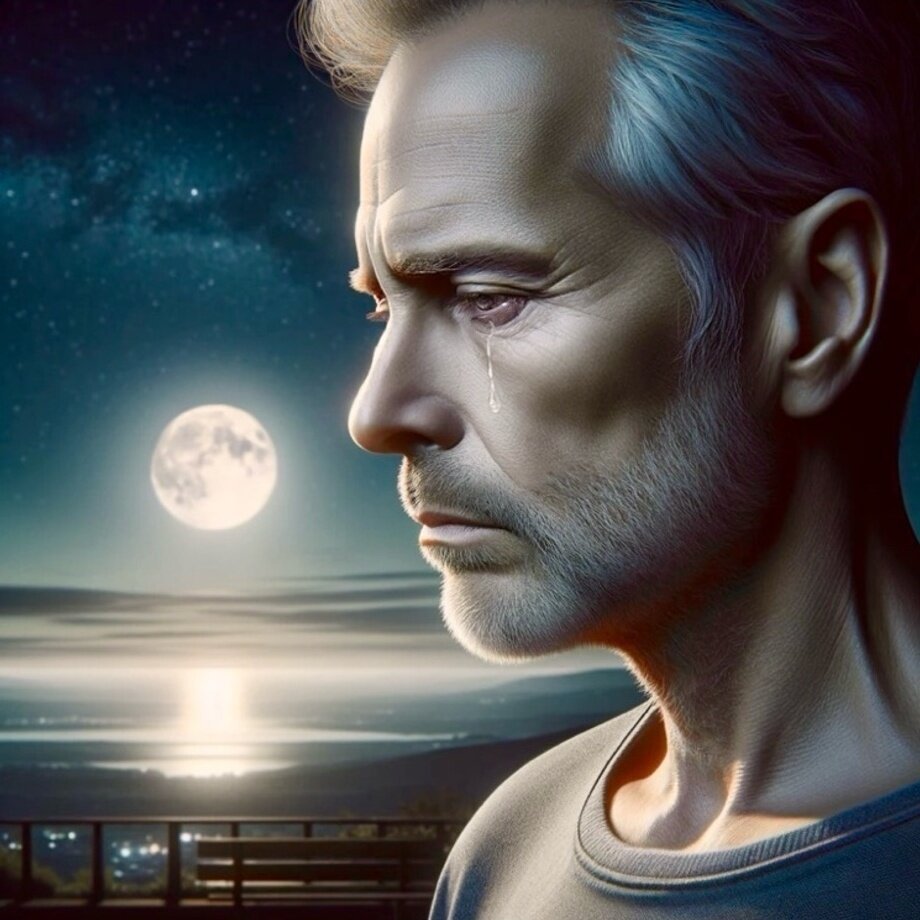
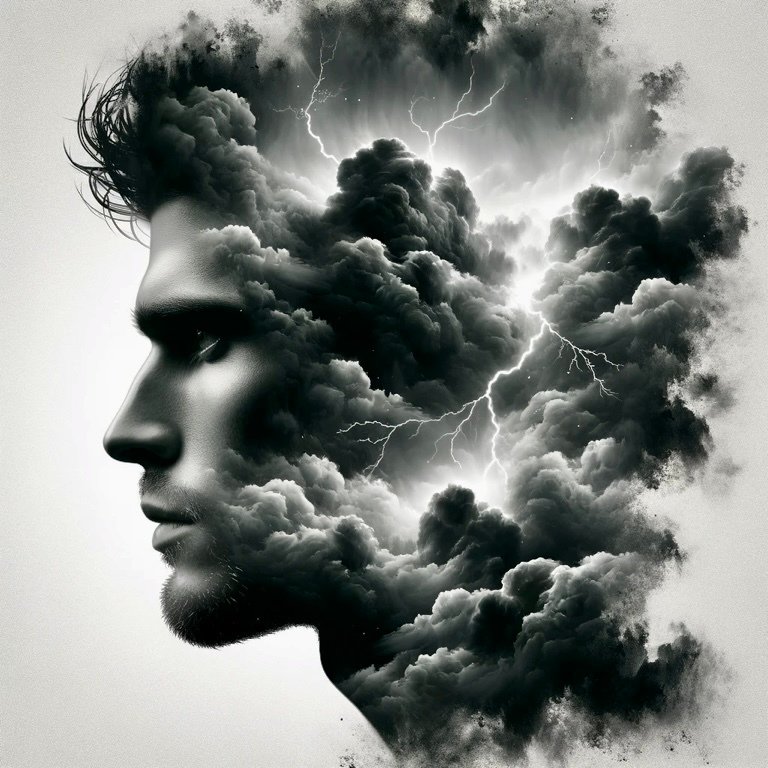
I do not recommend Rilke at 3 a.m. unless you are prepared to feel things you don't have vocabulary for and then lie awake doing inventory on your life. I recommend him at 3 a.m. anyway. Some of my most productive thinking has happened in the wreckage of a Rilke midnight.
I went back to Letters to a Young Poet last July. I've read it six or seven times over the years and every time it says something different — which is the mark of a real book. It meets you where you are. This time what landed was the bit about living the questions. About not needing the answers to be present to them.
There is something uniquely destabilizing about reading Rilke when the rest of the house is asleep and your own mind has lost the polite daytime habit of pretending it knows what it is doing. At three in the morning the self is less defended. The line that would glance off you at noon goes straight in. That is part of why I keep returning to him. Rilke does not comfort me into easy certainty. He enlarges the question until I have to admit I was trying to answer it too cheaply.
What I love about Letters to a Young Poet is that it keeps refusing the modern demand for immediate clarity. Live the questions. Let them work on you. Stop treating uncertainty like evidence of failure. Those instructions hit differently depending on the year, and in July 2025 they landed with unusual force because so much of that season was about discernment rather than resolution. Friendship sorting, boundaries, quieter truths, and the long aftereffects of a difficult stretch all made the questions feel more alive than the answers anyway.
Reading in the middle of the night also changes the physical scale of attention. The room is smaller. The lamp circle is smaller. The body is tired enough to stop performing competence. In that state, a serious book becomes almost surgical. It finds the tender place faster. That is not always comfortable, but it is often useful. I have learned not to confuse usefulness with comfort, especially where reading and writing are concerned.
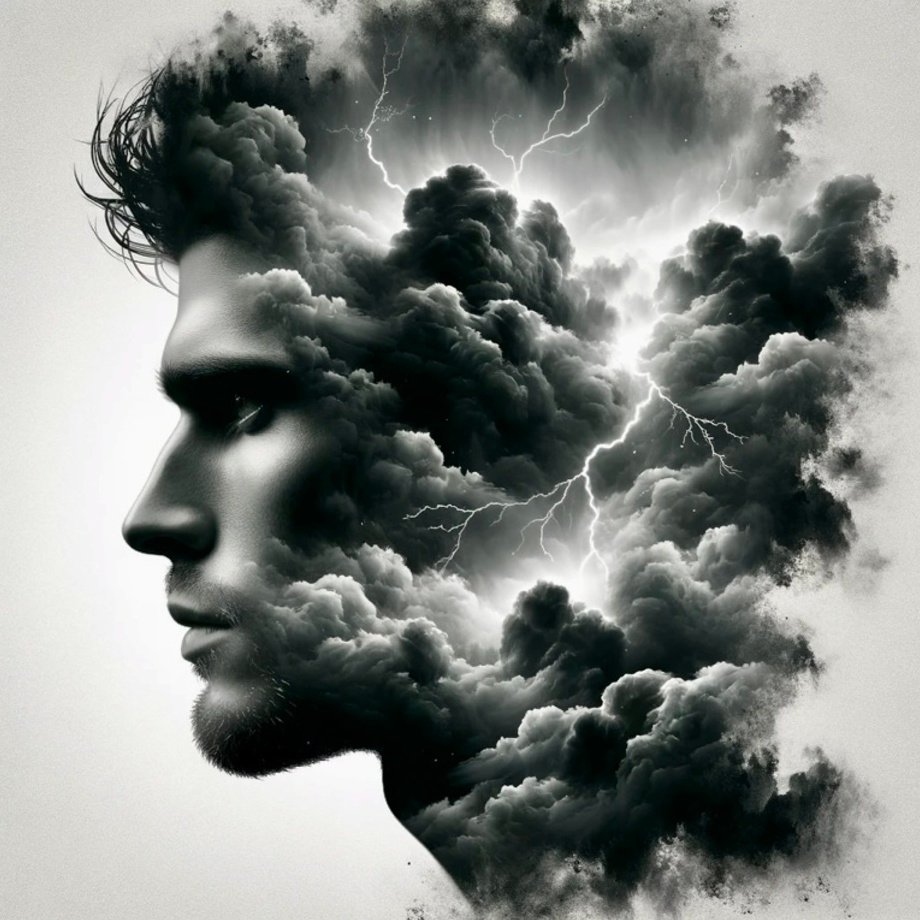
Echoes in the Gale
Beneath the broil of a storm's might, A man's face emerges from the night. Lightning sketches the stern lines, A map of life where darkness shines.
Coming soon — included in Echoes From the HeartEchoes in the Gale still works for this entry because Rilke at 3 a.m. feels storm-adjacent even when the room is perfectly still. The questions come with weather. Old fears, old hopes, and whatever unresolved thing the day managed to keep at bay all start moving at once. But there is a kind of resolve in that weather too. The point of the reading is not collapse. It is contact. Some books help you make contact with the part of yourself that daylight conversation cannot quite reach.
I am still living that question, yes, but I trust the process more than I used to. A question held honestly matures. That may be the best lesson the late-night reading life has given me. Not every unanswered thing is a failure of nerve. Some are invitations. July's version of that invitation arrived under a lamp, through Rilke, while the rest of the house kept sleeping. I am grateful I was awake for it.
And there is another gift in those hours: they remind me that reading is not only intake, it is companionship. The right book does not solve loneliness, but it does prevent a certain kind of spiritual isolation. It says someone else has lived inside questions this sharp and did not become unlivable because of them. At three in the morning, that is not a minor reassurance. It is often enough to carry me back toward the day with a little more patience and a little less fear of the unfinished parts of my own life.
I am still living that question. Still haven't answered it. Making peace with that, slowly, is the work of this season.
What are you refusing to answer too quickly? Let it be a question a little longer. See what it grows into while you're not pushing.
Yours, in ink and embers,