Once I had arrived and acclimated enough to start moving through Peru more fully, the trip opened into exactly what I had hoped for and more than I expected. Rainbow Mountain at sunrise. The Sacred Valley's terraces and folded hillsides. Machu Picchu in the morning mist, before the crowds had flattened the feeling of the place into a checklist. Peru gave me grandeur, yes, but it gave it in a way that made attention sharper instead of blurrier. The landscape kept insisting on proportion. You do not stand in places like those and remain the center of the frame. That, for me, was part of the healing force of the trip. The mountains did not ask for my narrative. They asked for my presence.
I wrote heavily there. More than I had written anywhere outside of Santa Fe, and differently too. The language in Peru came slower, but with more conviction. Something about the Andes and the ancientness of the land stripped a layer of hurry out of my process. I stopped trying to impress myself with speed and started listening harder to what the page could carry if I let it settle into the scale of the place I was in. The result was better work, but more importantly, truer work. Peru was not simply a productive trip. It was a clarifying one. It changed the rhythm in which I could hear a sentence arrive.
The milestone that still catches in my throat a little when I say it is this: I finished Book 2 in Peru. I was in Cusco, at a small wooden table, the Andes outside, and the manuscript finally closed in a way that felt complete. Not flawless. Complete. Peru taught me to respect that distinction because the landscape itself is so visibly shaped by time, pressure, weather, and age. Nothing there asks for polished perfection. It asks for reality with scale. Finishing the book in that setting felt right because the trip had already been training me to let completeness count without demanding the fantasy of absolute finish. I needed that lesson artistically and personally.
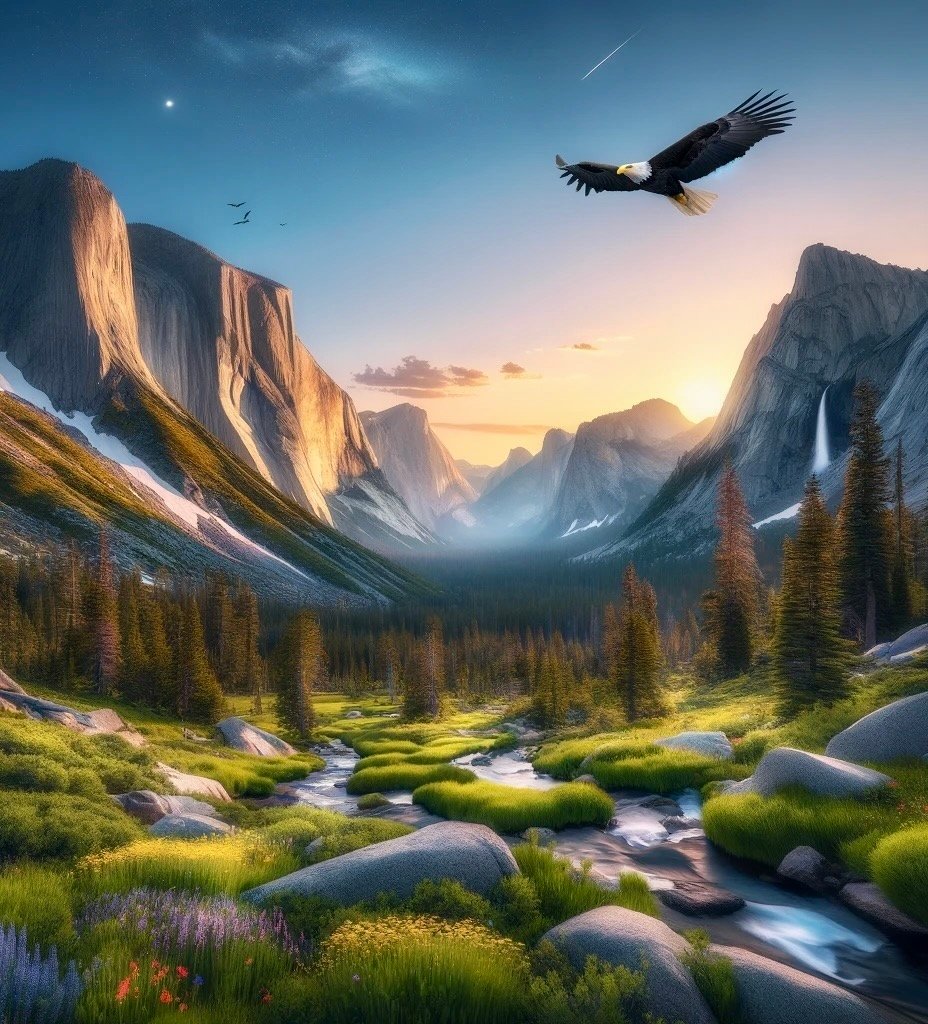
The Echoes of Silent Mountains
Heart of nature's realm, Silent Mountains stand, Majestic, towering, their stories untold, Granite giants whispering to the land, In echoes soft, their secrets unfold.
Coming soon — included in What Remains of UsThe Echoes of Silent Mountains belongs here because the poem understands mountain silence not as emptiness but as presence. The mountains in Peru did not feel mute to me. They felt articulate in a language of size, stillness, and patience. That is what the writing season lived inside. Rainbow Mountain, Sacred Valley, Machu Picchu—all of it carried the same emotional instruction: pay attention, reduce your vanity, let the landscape teach you what scale does to thought. The poem is the right companion because it does not merely describe mountains. It hears them. That is the relationship I was trying to have with Peru the whole time.
I do not think I could have finished that book in exactly the same way anywhere else. Peru was not interchangeable with another beautiful location. The altitude, the history, and the patient largeness of the place changed the terms of the work. That specificity matters to me, and it is part of why the trip belongs here in such exact language.
I came home from Peru with a finished book, but that is not the whole legacy of the trip. I also came home with a changed sense of what it means to work in the presence of something larger than your own ambition. Peru reminded me that art is not improved by making yourself huge. It is improved by learning where you stand in relation to wonder, history, and time. That is why this entry matters beyond the list of sites. It records the season when the writing and the landscape met each other cleanly enough to change the work.
Yours, in ink and embers,