I draft digitally, and I revise hard. Most poems I publish have gone through several passes before they feel honest enough to keep.
The first draft is usually where I discover the subject, not where I finish it. The next rounds are where the real work happens: cutting repetition, tightening images, finding the line that says exactly what I mean instead of almost what I mean.
I rarely get it right the first time. I do get it closer with each revision.
The first draft matters to me, but mostly as a doorway. It shows me where the heat is. It tells me what emotional material is active enough to generate language before I understand it fully. That is valuable information, and I never want to lose respect for it. But I also know the first draft is usually full of compensations: extra language where I do not yet trust the image, repeated gestures where I am circling the subject, lines that almost say the thing because I am not quite brave enough yet to say it directly.
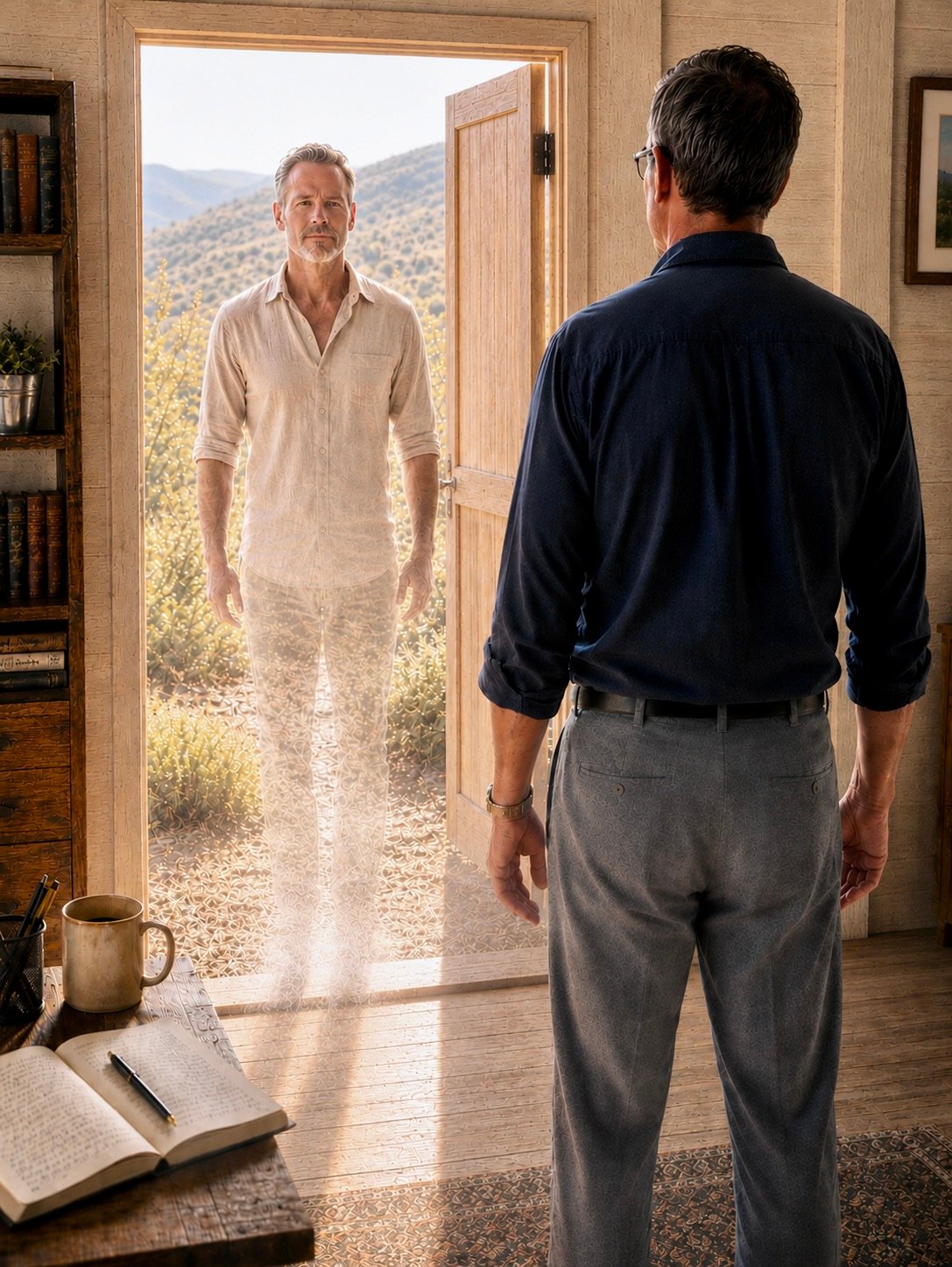
That is why I step away. Distance is part of revision, maybe the most underappreciated part. If I return too quickly, I am still under the spell of effort. I remember too vividly what I intended, and intention can drown out what is actually on the page. Time gives me back my hearing. When I come back after a break, I can tell the difference between a line that arrived charged and a line that merely felt charged because I was tired and glad to have written anything at all. That difference is everything.

Whisper of Cascading Waters
Hush, murmurs the rushing stream, Share your sorrows, let them gleam. In the gentle flow, they sway, Washed to peace, they find their way.
Coming soon — included in Echoes From the HeartI often print drafts for one of the later passes because a page changes the poem's honesty. Screen drafting is fluid; paper drafting is confrontational. You see the white space differently. You hear repetition differently. You notice whether the poem is moving or just accumulating. I like that confrontation. It keeps me from confusing speed with truth. A poem should not only state the feeling. It should sound like the feeling feels. That takes more passes than I ever want it to and fewer than the poem deserves if I let impatience decide.
I rarely keep the first draft because I have learned not to ask the first draft to do the whole job. Its job is discovery. The later drafts do the work of embodiment. That division has made me kinder to my own process and more rigorous with the finished pieces. I can let the beginning be messy because I no longer confuse mess with final form. Revision is where respect enters. It is how I tell the poem I am willing to meet it all the way, not just at the exciting start.
That has also made me less precious about inspiration. The spark still matters, but I no longer worship it at the expense of craft. A first draft can arrive beautifully and still need a week of ruthless listening afterward. I think that is good news, not bad. It means the poem becomes a relationship instead of a miracle, and relationships are what I know how to keep working on.
Maybe that is the deeper reason I rarely keep the first draft: I want the finished poem to feel chosen, not merely caught. Discovery is exhilarating, but commitment is what gives the work its final shape. The later drafts are where I prove to the poem that I am serious about it, and that seriousness is part of the art.
Revision is not correction for me; it is craft. It is where the poem becomes itself.
Yours, in ink and embers,